Stop Putting People on Roofs
Traditional inspections mean workers on ladders, lifts, and swing stages — slow, expensive, and the kind of risk no facility manager wants to sign off on. And when each building in your portfolio gets inspected by a different local vendor, the documentation is impossible to compare.
Drone inspection removes both problems. Our local pilot teams capture complete coverage from every angle with no one leaving the ground, and every inspection — in every market — is delivered in the same standardized report format. When we schedule an inspection, it happens; when we commit to a delivery date, the report arrives.
Safer
No ladders, no swing stages, no fall exposure, no roof damage from foot traffic
Reliable
Scheduled inspections that happen on schedule, with reports delivered when promised
More Thorough
Complete coverage from multiple angles, including areas that would otherwise need scaffolding or lifts
Consistent
One report format across every building and every market, so portfolio conditions are directly comparable
What We Inspect
Commercial Roofs
Flat roofs, membrane systems, metal roofing, and multi-level structures. Complete coverage for condition assessment and maintenance planning.
Building Facades
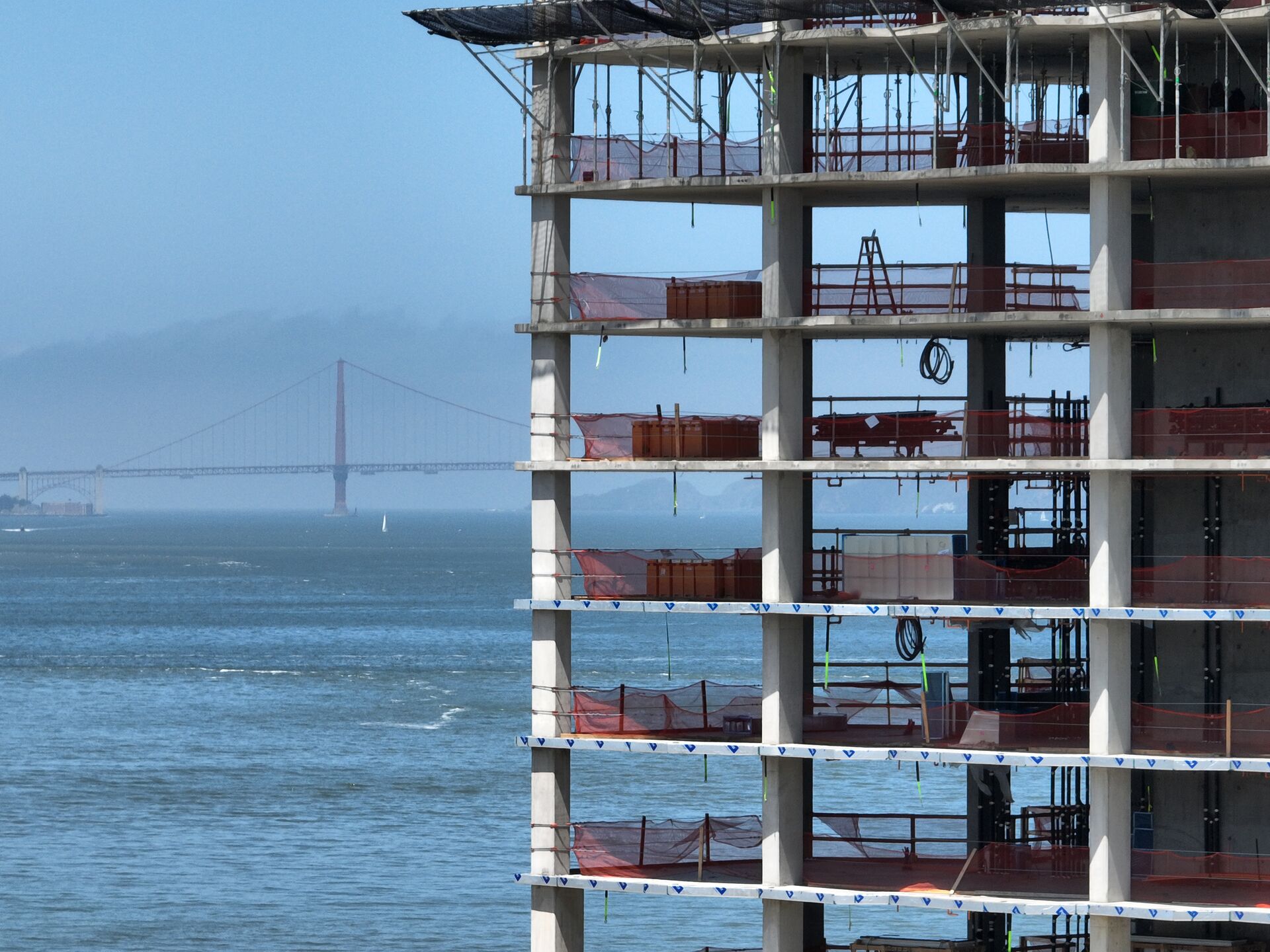
Exterior documentation for mid-rise and high-rise buildings without swing stages. Identify deterioration, water damage, and maintenance needs.
Industrial Facilities
Warehouses, plants, and distribution centers. Roof conditions, exterior walls, and hard-to-reach structural elements.
Solar Panel Systems
Thermal imaging to detect failing cells, hotspots, and connection issues — without shutting the system down.
Infrastructure
Towers, parking structures, and other elevated assets. Safe access to what's otherwise expensive to reach.
Post-Event Assessment
Rapid documentation after storms or incidents, formatted for insurance claims and repair scoping.
What You Receive
- High-resolution aerial imagery — Complete coverage of all surfaces and areas of concern
- Thermal imaging (when applicable) — Moisture intrusion, insulation gaps, and system faults made visible
- Standardized written report — Annotated findings in the same format for every building, in every market
- Insurance-ready documentation — Formatted for claims files and contractor quotes
- Condition history — Consistent file organization across recurring inspections, so changes are easy to track over time
Portfolio Inspection Programs
For owners and facility managers with buildings across multiple markets, we run standing inspection programs: annual or semi-annual cycles flown by each market's local team, delivered in one report format, and coordinated through one point of contact. No sourcing a new inspection vendor per city, and no reconciling five different report styles into one capital plan.
Multi-market portfolios are set up through our national accounts program — one agreement, one vendor file, and direct scheduling for every property team.
Commercial Inspection FAQs
How does a drone inspection work?
We fly systematic patterns over the roof, facade, or structure, capturing high-resolution photos — and thermal imagery when specified — from angles ground crews can't reach. You receive a report with annotated images highlighting areas of concern. No ladders, no swing stages, no shutdown of building operations.
We manage buildings in several markets. Will the reports match?
Yes. Every pilot team captures to the same specification and every report follows the same national format — same structure, same annotation conventions, same severity language. You can compare a roof in one market against a roof in another line by line, which is the whole point for portfolio owners.
Is thermal imaging available?
Yes, in every market. Thermal is particularly valuable for detecting moisture intrusion under roof membranes, insulation gaps, and solar panel faults. We'll tell you honestly whether thermal adds value for your specific inspection, since it isn't always needed.
What documentation do we receive?
High-resolution imagery with complete coverage, thermal overlays when applicable, and a written report with annotated findings — formatted for maintenance planning, insurance files, and contractor scoping. Recurring clients also get consistent file organization so condition history is easy to track over time.
Our vendor requirements include COIs and safety documentation. Can you satisfy them once for all our properties?
Yes. We provide certificates of insurance with up to $10M in liability coverage, FAA Part 107 pilot certifications, W-9, and safety documentation through one vendor file that covers every market. National account clients onboard once, and any property team can then schedule inspections directly.
How is airspace handled for buildings near airports or in dense urban areas?
By the local pilot team. Each market's pilots hold LAANC access and manage FAA coordination for their own controlled airspace, so authorization is handled as part of scheduling — you don't need to think about it.
Schedule Your Inspection
Tell us about the building — or the portfolio. We'll confirm scope and scheduling within one business day.